Conclusion

Dance of Camera
Chapter 5
My research began with watching a recording of the Cultural Renegades. Although the camera had captured this performance, it had not replicated the experience I remembered from being there. The movement of the performers within the space and the redirection of my attention were absent during playback. This experience prompted me to question how my embodied knowledge developed through dance might help inform the way I could approach cinematography.
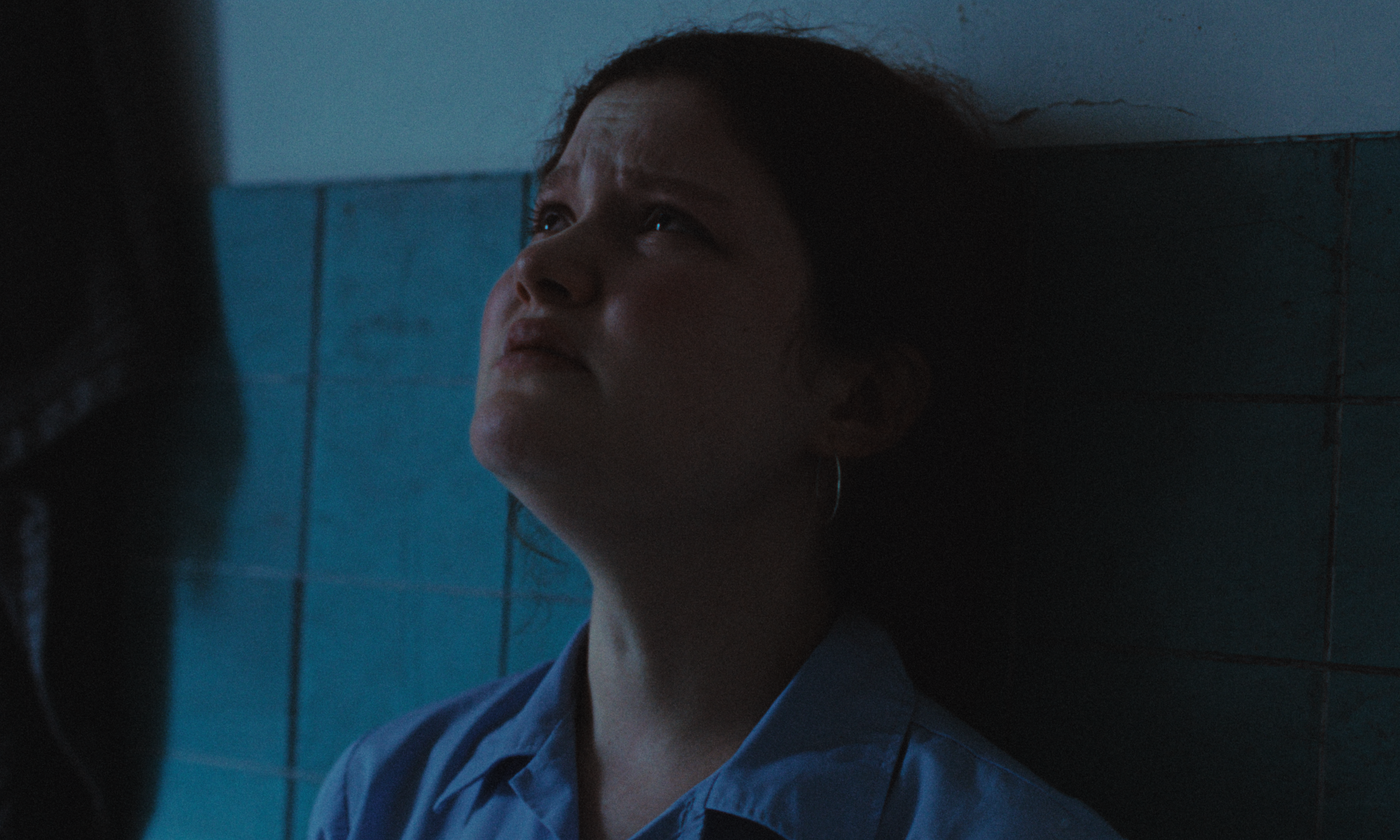
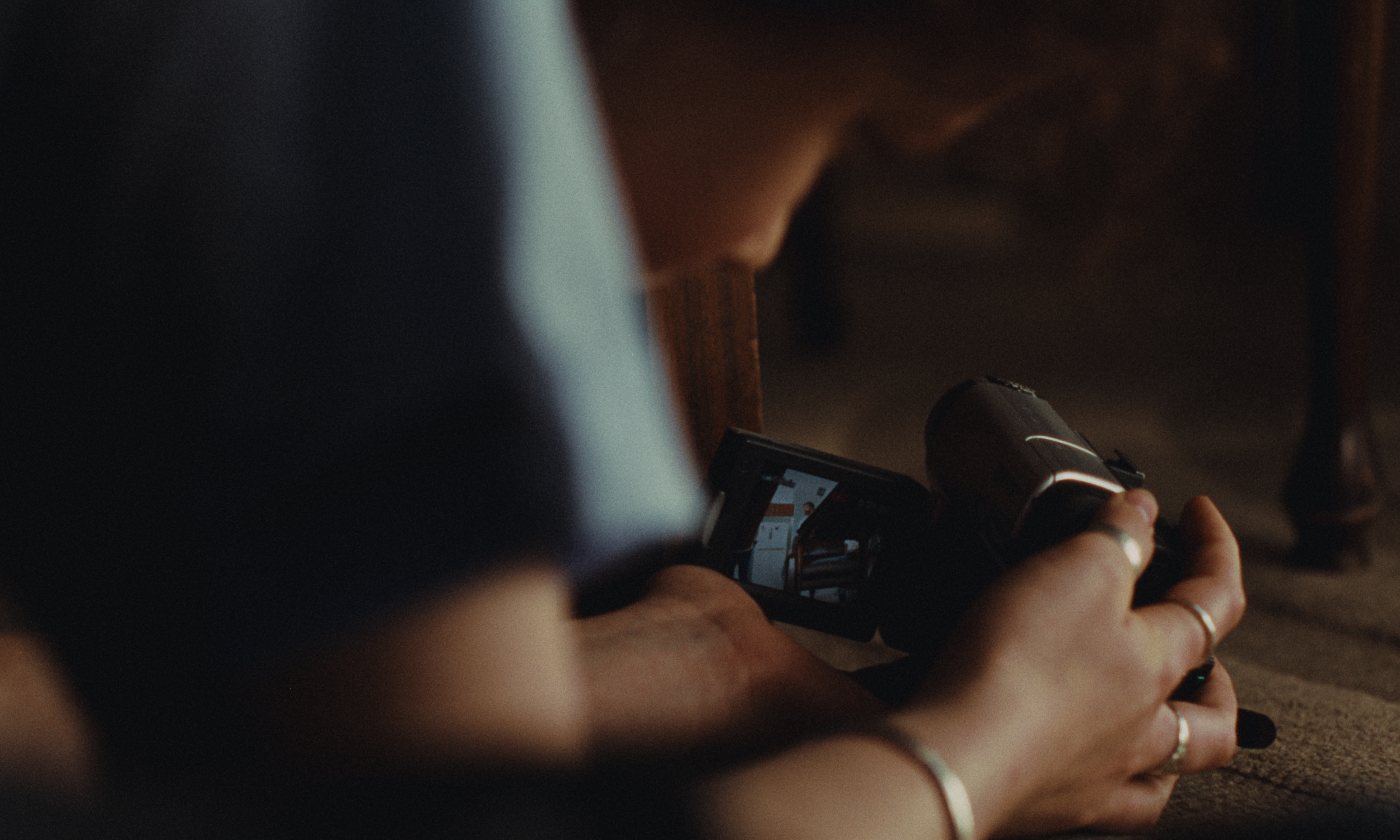
Throughout my investigation, I began to form an understanding that dance informed cinematography is not only about camera movement but also involves applying an understanding of rhythm, anticipation, proximity, spatial awareness and stillness. Through my creative projects Only Kids, Nearness and The Exorcism of Joan Vollmer, I explored how these principles could influence my cinematographic approach.
My experience capturing and exploring these three creative projects allowed me to establish an understanding of how my embodied knowledge of dance could inform cinematographic practice and adapt across different productions and production styles. Only Kids offered an exploration of how rehearsals and familiarity with performance empowered me to anticipate and respond instinctively, Nearness extended this relationship through improvisation, where the movements of the camera and the performers began to influence one another and in contrast The Exorcism of Joan Vollmer demonstrated that curation of stationary compositions could still be informed by choreographic principles through timing, framing and spatial arrangement.
These projects challenged my initial understanding of embodied cinematography as primarily focused on camera movement. Instead, I began to identify it as a way to approach cinematographic decisions through physical awareness, anticipation and sensitivity to performance, whether the camera was moving or not.
These discoveries in my practice align quite closely with Pearlman's (2025) examination of Shirley Clarke highlighting that knowledge developed through dance can become embedded within filmmaking. My exploration also resonates with Kassel's (2016) distinction between documenting dance and constructing movement for the screen. I also strongly support Reynold's (2012) ideas of Kinaesthetic and affective engagement and how this can be influenced by dance informed cinematography, however, I can't confirm how audiences experience these concepts without further testing. Ultimately, my findings highlight the way embodied knowledge developed through dance can beneficially inform cinematographic decision making.
Experimenting with dance informed cinematography has also highlighted that the approach can require significant investment from the production itself. Rehearsals, experimentation and improvisation can demand considerable time investments. Also, while the concept of the responsive camera can produce beautiful, emotive moments it can impact the perfect composition. However, the creative freedom and possibilities gained from a dance informed cinematographic approach can far outweigh any detriment.
I can comfortably say I no longer see the challenge presented by Cultural Renegades as finding a better way to film dance. Instead, this exploration has encouraged me to consider how the camera can participate in shaping an experience through the relationships between performer, cinematographer and space. This investigation has allowed me to recognise that my experience as a dancer is not separate from my cinematographic practice but forms a foundation from which I can continue to develop my approach to narrative filmmaking.
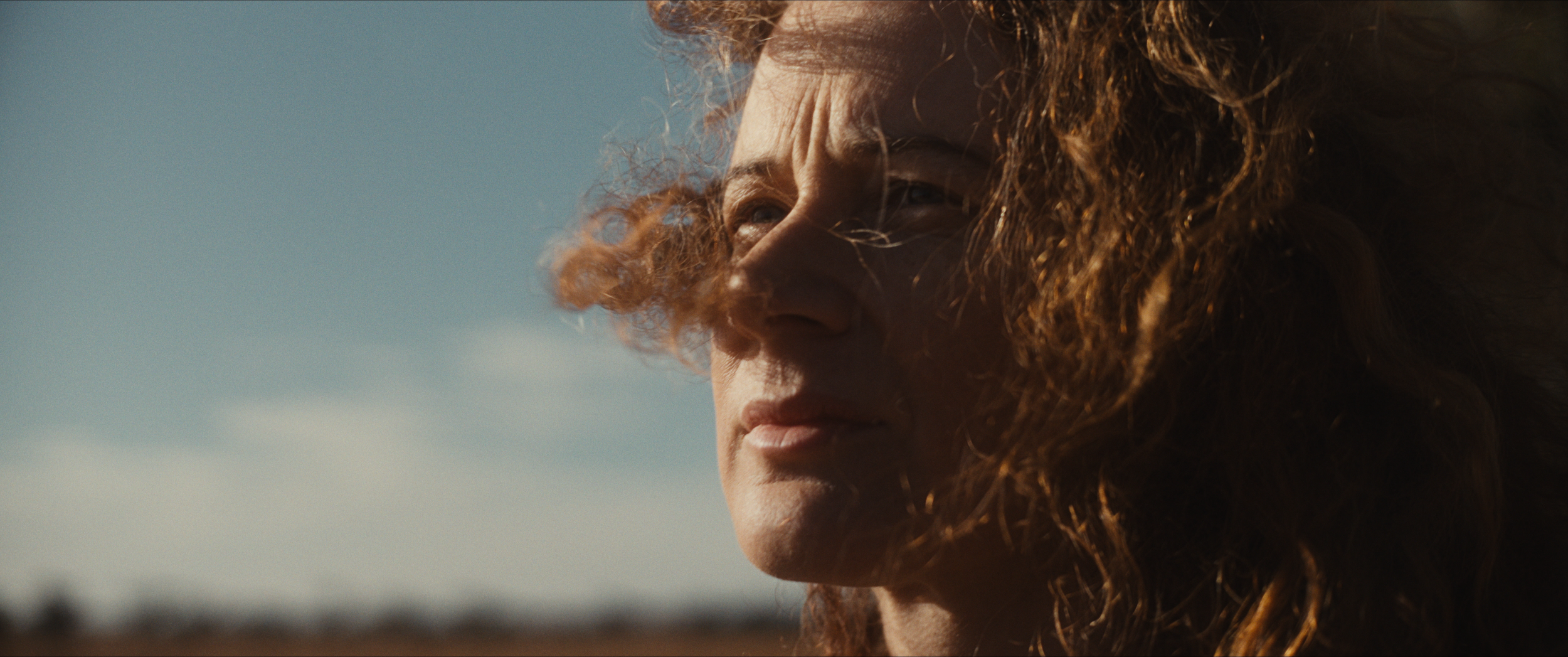

Images from (Left) Only Kids (2026), (Middle) Nearness (2026), (Right) The Exorcism of Joan Vollmer (2026),