Developing an Embodied Methodology

Dance of Camera
Chapter 3
Practice Led Research
My approach places creative practice at the centre of my research. I leverage my embodied knowledge developed through dance to inform cinematographic decisions while allowing this understanding to develop through experimentation and reflection. I wanted to explore how knowledge developed through dance could be applied within different filmmaking circumstances.
Robin Nelson outlines a useful framework for understanding creative practice as a form of research. Nelson’s concept “know-how, know-what and know-that” (Nelson, 2013, p. 37), allowed me to review my practice pragmatically and provided the tools to understand my approach through critical reflection.
Rhythm, breath, pattern recognition, direction anticipation and weight distribution are skills I have developed through years of physical training. When operating a camera, these abilities influence how I interpret a performer’s movement, anticipate changes in direction and physically respond while maintaining compositions. My research therefore investigates knowledge that I already possess, while attempting to better understand how and why I use it.
The development of my cinematographic practice was primarily influenced by experimentation and reflection. Even though each creative work was produced collaboratively, my dance informed approach to cinematography took shape through my exploration behind the lens. By drawing on my embodied knowledge, I was able to explore choreographic ideas that were both instinctual and intentional, while being able to remain adaptable and flexible to the needs of the production.
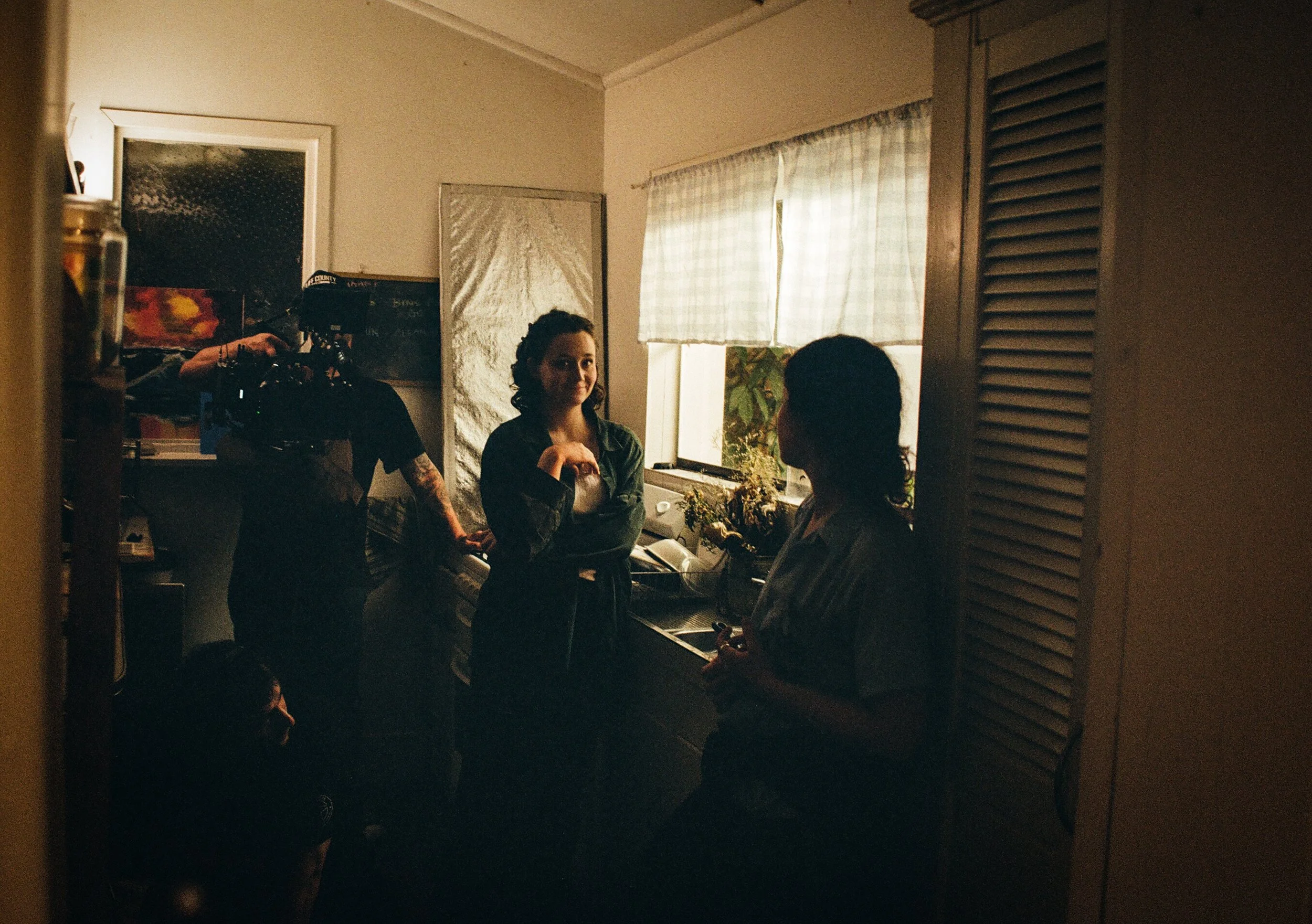
Behind the scenes image of Only Kids (2026)
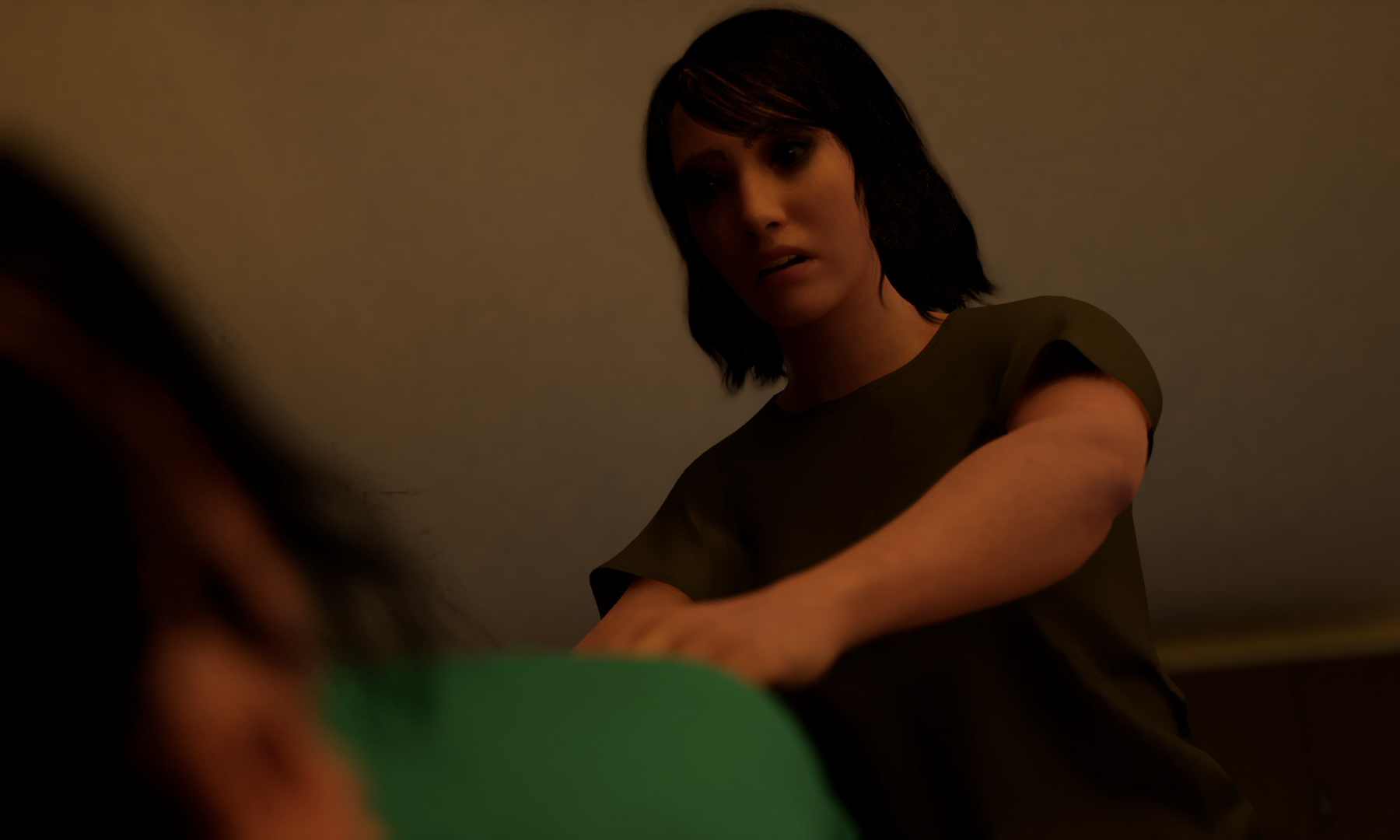
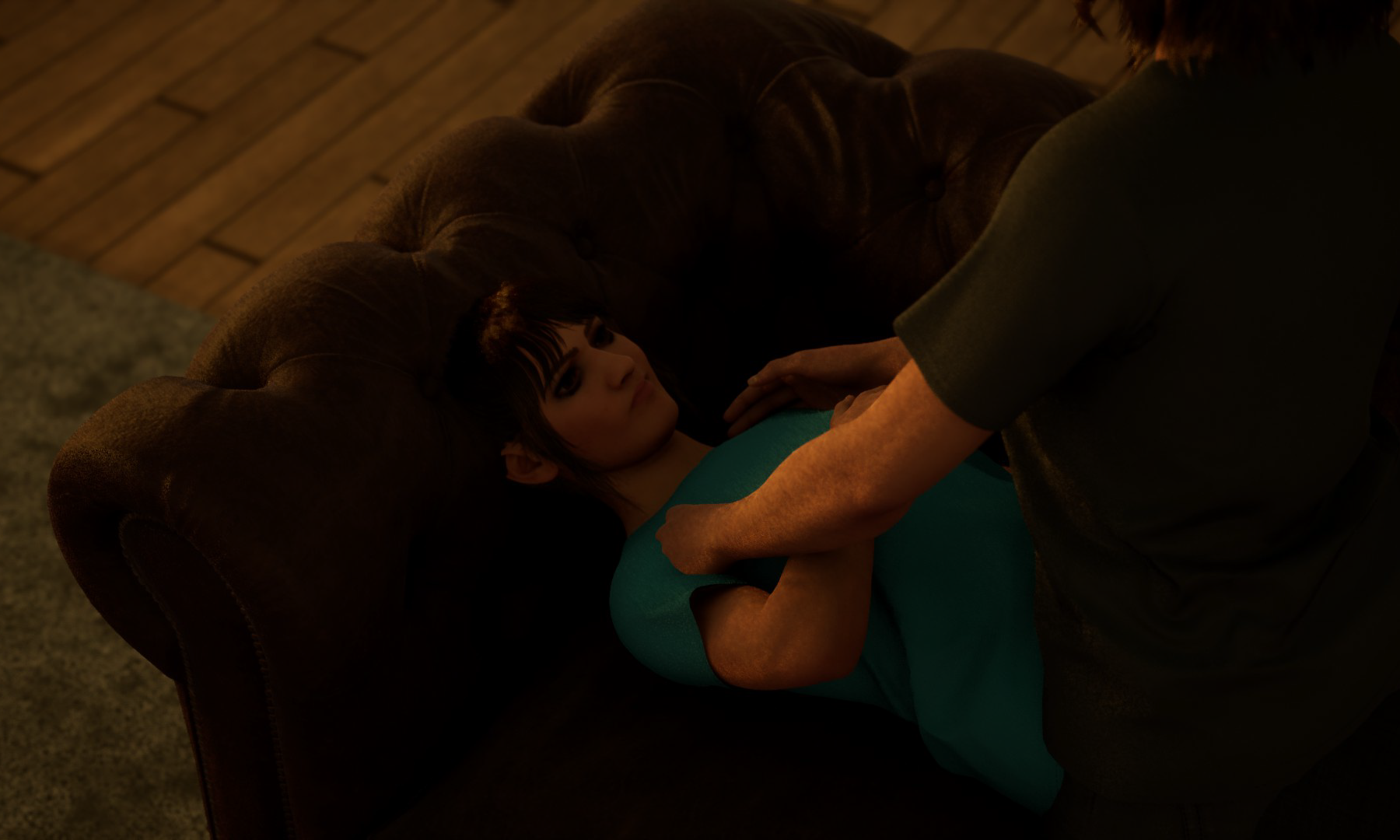
Rendered images used in preproduction on Only Kids (2026)
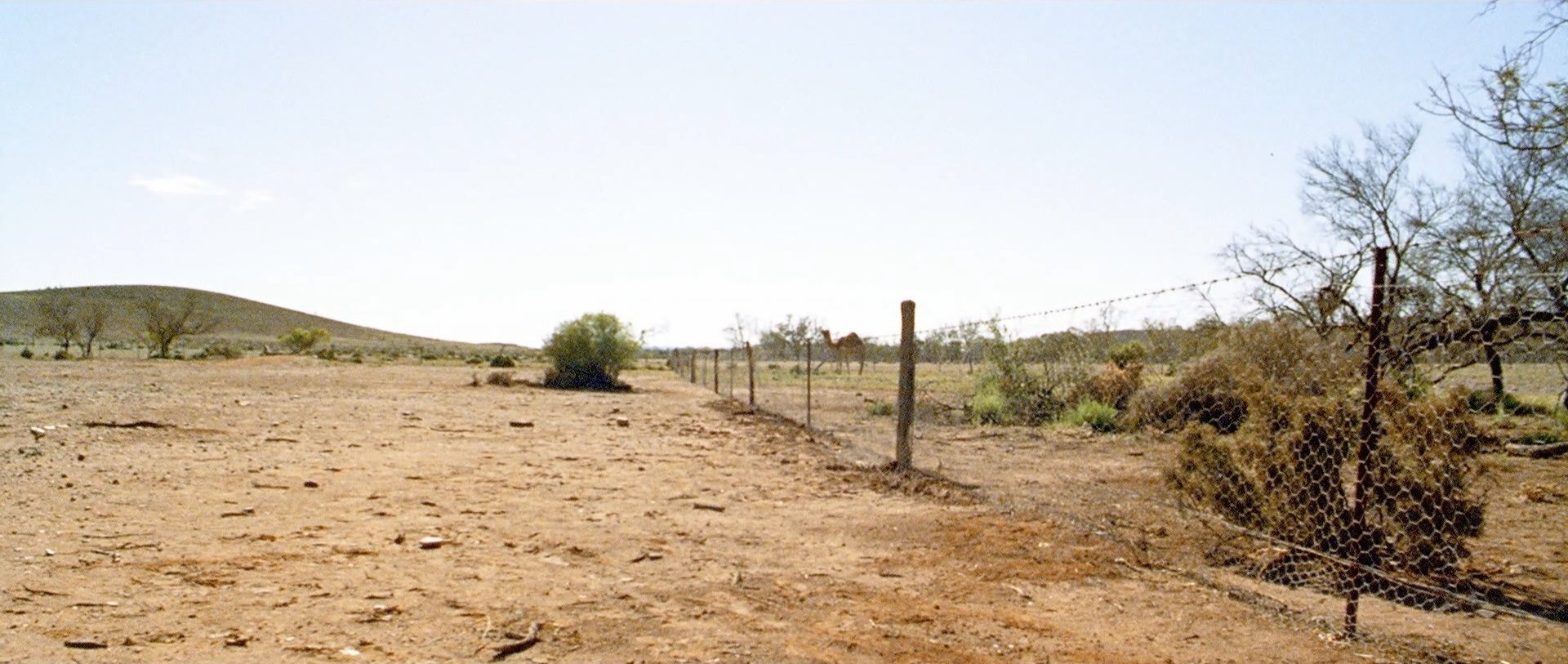
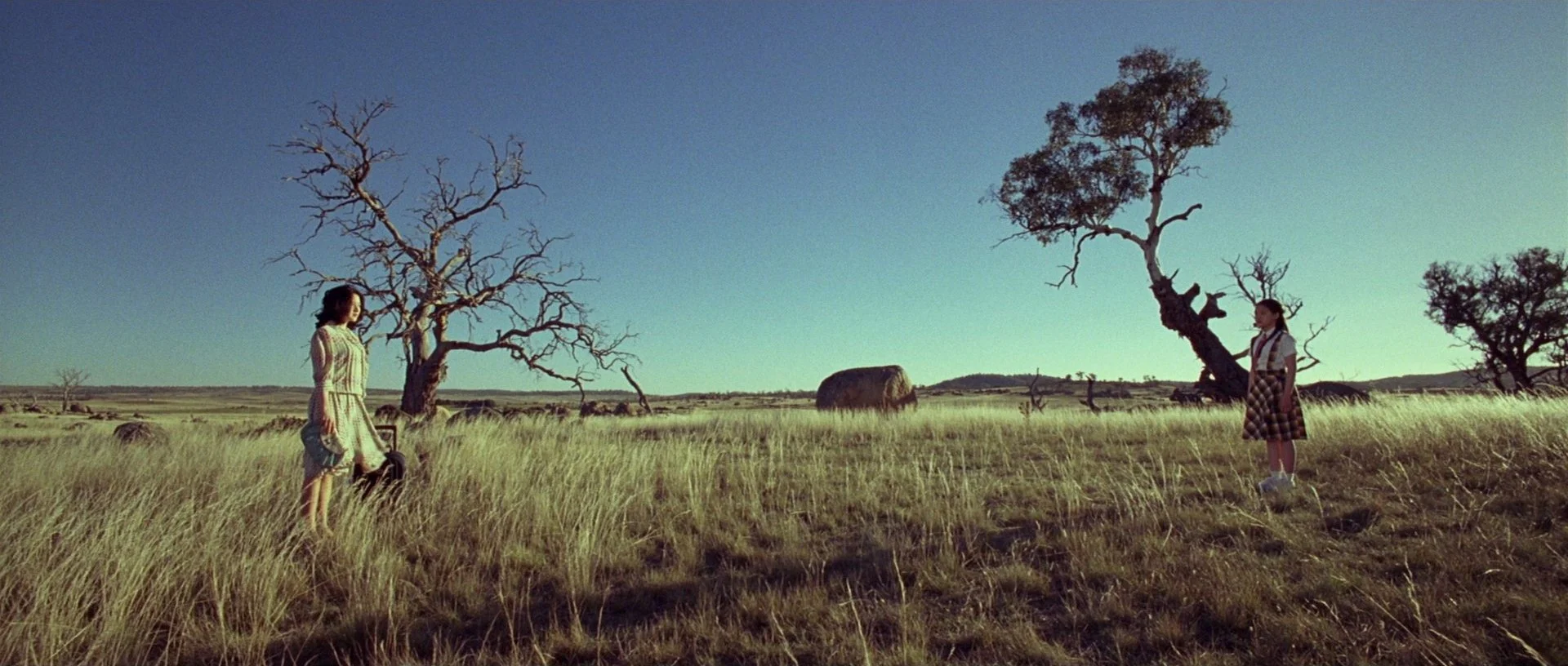
Preproduction reference images used in preparation for The exorcism of Joan Vollmer (2026). (Above) Image from Rabbit Proof Fence (2002). (Below) image from Sympathy for Lady Vengeance (2005)
Experimentation Through Creative Practice
The three creative works were approached as distinct investigations rather than a series of experiments. Each work provided different conditions through which to explore the relationship between camera, performer and space. Although these works differ in form, with Only Kids providing the primary narrative investigation, Nearness a Visual Poem and The Exorcism of Joan Vollmer a documentary, they offer opportunities to examine choreographic principles that may be transferable to narrative filmmaking.
❋ Only Kids: Preparation and Choreography
Only Kids (2026), directed by Lily Boisvert provided a unique opportunity to explore the relationship between choreography, camera movement and narrative filmmaking. I wanted to explore the concept of the camera being an active participant in shaping the performance instead of just being a passive observer.
Our process began with understanding the filming locations, considering available light, production design and actor preferences. We then took this information and recreated the spaces in a controlled rehearsal environment, allowing the performers to explore their dialogue, actions and motivations before introducing the camera.
Once the performances had begun to take shape, I started working with the actors’ blocking to establish camera pathways and compositions. These decisions considered both available physical spaces required to operate the camera and the emotional intentions of the scene. Rehearsals established a reliable structure while still leaving enough room and flexibility for improvisation during production.
The connection between preparation and improvisation became essential to my approach. Once we had successfully captured the rehearsed version of the scene, we allowed ourselves the opportunity to explore and experiment, leading to variations in performance we would not have otherwise considered. My familiarity with the blocking empowered my embodied knowledge to anticipate the changes in performance and respond without compromising the composition. One particularly challenging sequence involved the two performers moving through an argument and physical altercation. Handheld operation required me to move rapidly through restricted spaces to keep up with the action, sometimes travelling backwards while simultaneously panning and tilting to maintain framing. I drew upon my physical awareness, balance and anticipation to respond to the performers while attempting to preserve the erratic energy of the scene.
This approach also allowed individual camera movements to change their relationship to the characters. A shot may begin by following one performer into a space before transitioning into a leading composition of another performer. Rather than treating these movements as separate compositions, I considered how the performers’ blocking could motivate the camera’s changing perspective.
❋ Nearness: Improvisation and Exchange
The visual poem Nearness (2026) offered a contrasting exploration of movement and how it’s captured. Involving two dancers, this project enabled me to explore a more symbiotic relationship between the performer and the cinematographer; Unlike Only Kids, where the visual language was curated and designed within a specific dramatic narrative.
This project began with inviting two dancers whose movement and creativity I admired and giving them the freedom to create what they wanted to perform. My goal was to adapt the camera to their movement rather than requiring them to adhere to specific blocking. I selected a blacked-out studio to create an almost infinite space and established a range of lighting and recording approaches, including digital and 16mm film. I intended to create an environment for the dancers and camera to interact without restriction.
Before filming began, I closely observed the dancers to understand their rhythm and relationship. Instead of introducing the camera immediately, I wanted to understand how they moved in space, responded to one another and expressed themselves. I recognised an intimate and sensual quality within their performance, which in turn influenced my decision to place the camera in close proximity to them. I wanted the camera to become part of this intimacy, responding to their movements through changes in closeness, direction and timing. As filming progressed, this relationship became increasingly reciprocal. While I adapted my camera movements to the dancers, they were also able to respond to my presence within the space. This ongoing exchange increasingly began to influence one another, allowing moments of approach, withdrawal and stillness to become instinctual.
Rather than following a predetermined sequence of camera movements, I relied on my embodied understanding of rhythm, spatial awareness and anticipation to respond to the dance as it unfolded. This process allowed me to explore the camera as an active participant in the choreography, where the relationship between the performer and cinematographer is a central part of the creative process.
❋ The Exorcism of Joan Vollmer: Composition and Stillness
The Exorcism of Joan Vollmer (2026), directed by Catherine Young, provided a different opportunity to examine cinematographic intention. The original visual approach aimed to communicate the stark, isolated and arid environment of Horsham, using bright and dry imagery to contrast the documentary’s dark and disturbing subject matter.
The reenactments incorporated elements of horror while also maintaining a restrained visual approach. Rather than relying on excessive camera movement or dramatic lighting to communicate the dark nature of events being depicted, I wanted an unsettling atmosphere to be established through the static and controlled compositions, allowing events to unfold in frame, creating a sense of observation and unease.
Although I approached all three of these creative projects with my broader interest in embodied cinematography, I did not initially consider stillness as a specific application of my dance experience. The visual language of The Exorcism of Joan Vollmer was guided by the atmosphere we wanted to establish, however, through reflection, I began to identify connections between this restrained approach and my understanding of choreography. My previous explorations had focused on the physical relationship between the performer and camera. This film, however, encouraged me to reconsider whether the camera itself needed to move for choreographic principles to apply to the image.
The arrangement of performers, objects and space became crucially significant in compositions where the camera didn’t move. Careful blocking and positioning within the frame established a clear motivation and guided the audiences’ attention, this intended to communicate more than what was simply being seen on screen and instil a feeling in the viewer.
The Exorcism of Joan Vollmer identified for me that the curation of movements or lack thereof within the frame instead of simply the movements of camera can be included in my understanding of dance informed cinematography.
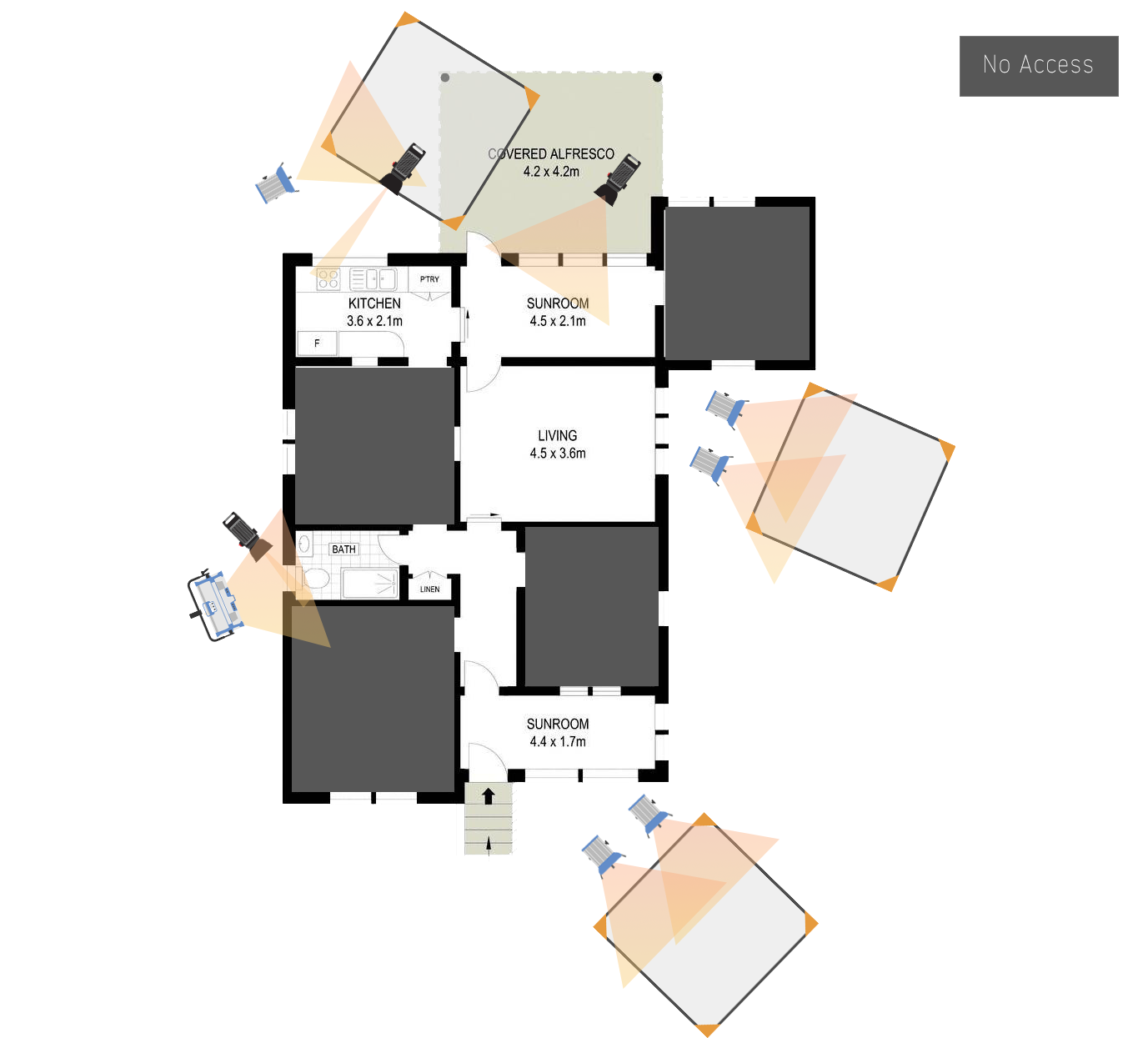
Lighting plan of Chrissy and Andis’ house used in preproduction of Only Kids (2026)
Documentation and Reflection
The documentation accumulated during these projects allowed me to take a deeper look into my creative choices, and review how my embodied knowledge impacted the productions. While I didn't maintain a formal research journal, I was able to develop a considerable archive of production materials. This archive includes preproduction documents, blocking diagrams, rehearsal footage and behind the scenes images.
Only Kids’ robust preparation resulted in a large stockpile of documentation, I was able to analyse the original intentions and motivations of a scene through the rehearsal footage and compare it to the final film. I found that many of the original blocking concepts were retained despite the flexibility and improvisation encourage on set.
Reviewing the preproduction documentation helped me understand that preparation didn’t restrict improvisation; instead, familiarity with the environment, performers and camera pathways provided a structure from which I could respond more freely. Reviewing the footage also encouraged me to examine the timing of my responses and how proximity influenced the resulting compositions. I recognised that my camera movement was often influenced by what the actors wanted to do and experience allowed me to adapt while maintaining the visual intentions of the scene.
Though I had the opportunity to capture a substantial amount of behind the scenes’ documentation, The nature of The Exorcism of Joan Vollmer being a documentary meant that the preparation and planning from a cinematography perspective was quite broad and general. Stillness and static composition were embedded in the visual language early in the production which led to the curation of a broad reference image collection. The reference images guided the look, feel and tone of the film throughout production and ensured consistency.
In reflection, my instinctual approach to The Exorcism of Joan Vollmer allowed me to build the connection within my embodied practice that stillness could be informed by choreographic principles.
The approach to Nearness was vastly different. The almost complete lack of preproduction lent itself to the experimental nature of the visual poem. The dancers played the most crucial role in this film, therefore selecting the performers was a significant decision. Once I discovered dancers I felt could contribute creatively, I ensured both the performers, and I were given significant time to creatively bond and experiment. This resulted in a co-authored choreographed piece for camera that couldn’t be experienced any other way than through the screen.
This exploration of documentation, experimentation and reflection guided me through exploring choreographic practice across three distinct creative projects, building connections I would otherwise not have consciously recognised through my embodied knowledge. The following chapter considers these works as individual case studies, exploring how each approach performed in practice and what they reveal about the relationship between dance and cinematography.
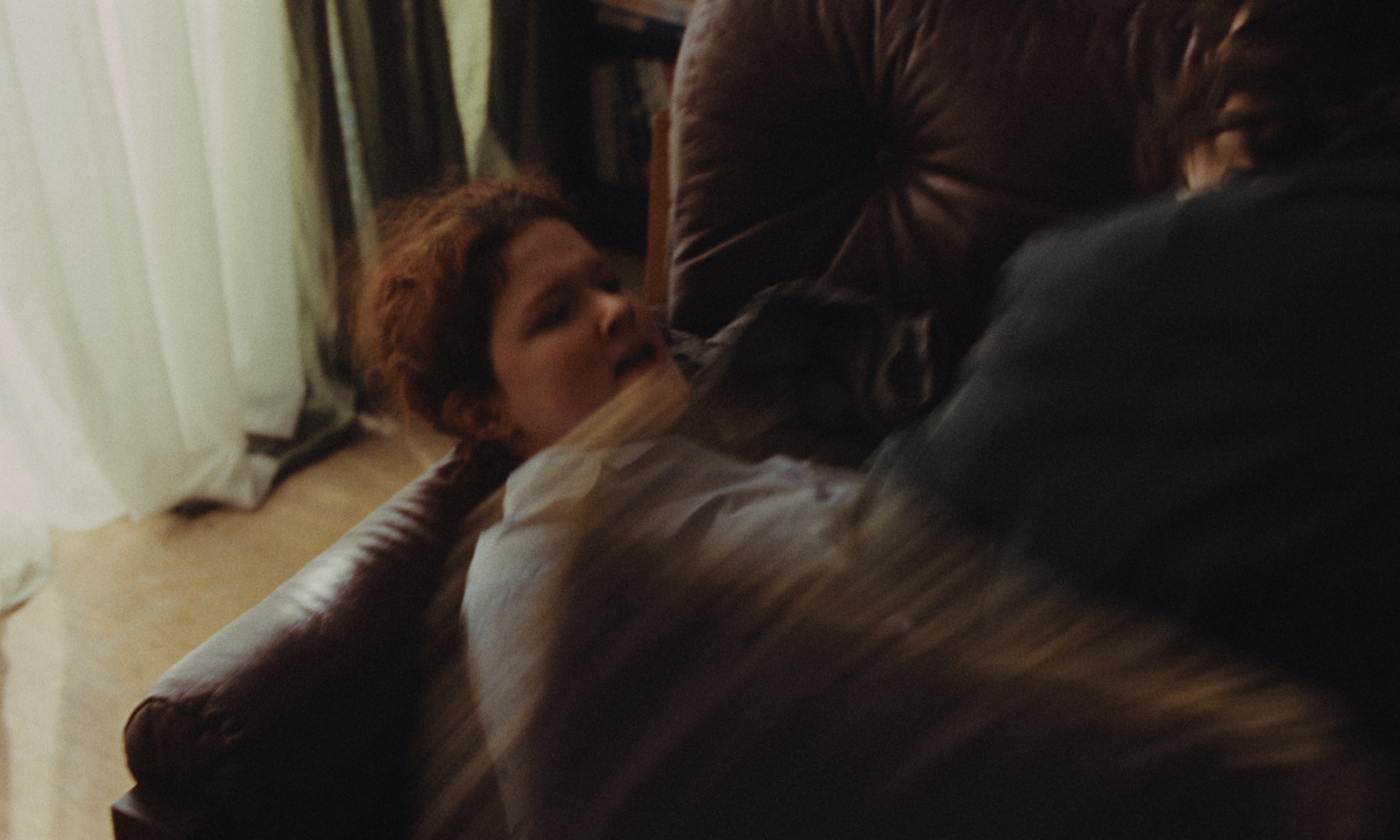
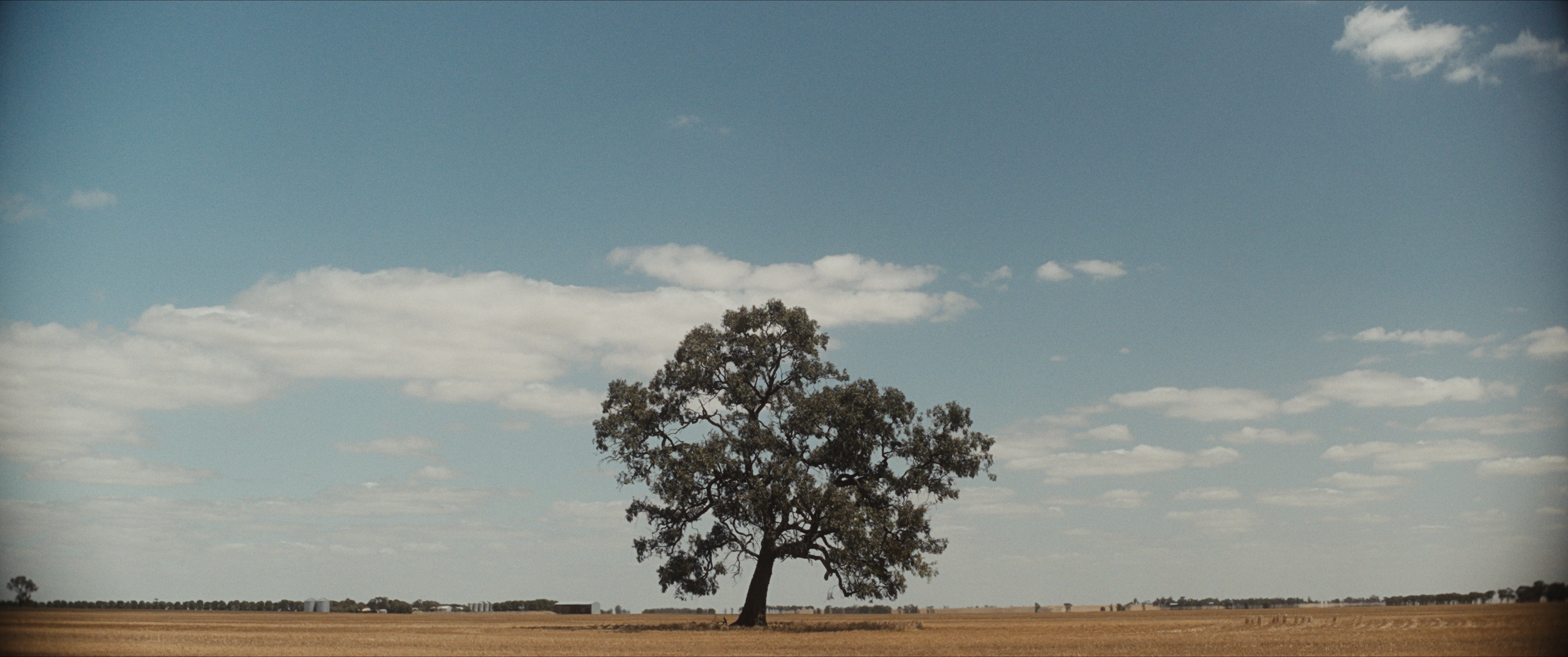
Images from (Left) Only Kids (2026), (Middle) The Exorcism of Joan Vollmer (2026), (Right) Nearness (2026)
