
AFTRS
Masters of Arts Screen: Cinematography
Johnathon Karalis Exegesis 2026
DANCE OF CAMERA
Embodied Movement and Affective Cinematography in Narrative Film
How can principles of screendance and embodied movement inform cinematographic practice in narrative filmmaking?
“The camera operator is far more than a technician and is empowered with the ability to artistically influence the qualitative nature of the resulting footage”
Introduction
While watching a recording of a dance performance I attended, I was struck by the difference between what I saw on screen and what I remembered experiencing in the room. The recording depicted the showcase itself, but I couldn’t help but feel it lacked what I remember experiencing being there. Curiously, I began to wonder why the very same choreography, performers and space felt so very different when viewed through the eyes of a camera.
Cultural Renegades, as the show was so aptly called, rebelled against the conventional presentation of a dance showcase. This performance immersed its audience within the show as the choreography was established around them, actively inviting the spectators to participate. Rather than fixing the composition to a traditional single viewpoint, the renegade action moved throughout the venue from one side of the room to another, from one dancer to the next. Experiencing this firsthand, I found myself whipping my head back and forth, redirecting my attention to observing the intricacies of the choreography all while trying to anticipate where the next movement might travel to. Discovering the action became part of the experience, and that experience differed greatly based on where you were standing in the room.
The recording, however, presented a starkly different experience. Filmed from a fixed, wide vantage point, it depicted the performers, audience and venue within a single composition. The camera effectively captured the choreography and spatial arrangement, though it did not depict my experience of searching for and following the action. Moments that drew my attention and urged me to turn my head were reduced and contained within a single frame. Spectators invited into the performance could be seen participating but their distinct viewpoint and proximity to the dancers were simply not there. The camera felt like an observer of observers; it recorded people experiencing the performance without illustrating the experience I remember having myself.
This discrepancy urged me to reconsider the camera in representing performance. My initial query derived from how a recording might better communicate or enhance the spatial and perceptual relationship between the viewer and an immersive dance experience. My inquiry then quickly developed beyond the documentation of dance to consider that the camera determines the position from which the viewer experiences an event. The camera’s placement, movement and framing influence how the action is discovered, along with how relationships are comprehended and attention is directed. Instead of accepting that the camera is solely a device for capturing a performance, I became interested in how the camera might participate in shaping the experience of one.
My position on this inquiry is driven by my 20 years of training as a dancer; this experience has enabled me to develop an embodied awareness of rhythm, proximity, spatial relationships, breath and the direction of attention. These concepts act as considerations that influence how I respond to performers and navigate shared space. This exploration enabled me to recognise and establish possible connections between this embodied knowledge and my work as a cinematographer. Anticipating performers’ movements, adjusting positioning or recognising a shift in rhythm could potentially inform camera placement, blocking and composition. Piquing my interest I began to ask, how knowledge acquired through dance might be applied to cinematographic practice within narrative filmmaking.
I was fortunate enough to explore this concept when director Lily Boisvert approached me to assist with an early camera test for her short narrative film Only Kids (2026). Boisvert wanted to explore a scene constructed from a single continuous take, otherwise known as a ‘oner’. Using a Steadicam, we collaboratively coordinated the performers’ blocking in relation to the camera movement throughout the scene. Without relying on cuts and editing to redirect the viewers’ attention, we needed to consider how the performance, position and timing would affect the composition as the action unfolded. My intention was to enhance the depth of visual meaning while maintaining emphasis on the characters developing a relationship between the performers and the lens.
This test brought my interests in dance and cinematography together and encouraged me to think of the camera and performers not as separate elements that needed to be coordinated but as participants in a common arrangement of movement, space and time; bolstering the idea choreographic thinking might offer a useful approach to planning and operating the camera in narrative scenes. My interest therefore shifted from identifying similarities between the two disciplines to how embodied knowledge from dance might help inform creative decisions.
This investigation assisted with the formation of my current research question: How can principles of screendance and embodied movement inform cinematographic practice in narrative filmmaking? The inquiry investigates how choreographic principles might influence camera movement, composition, blocking, rhythm and direction of attention. It also acknowledges that this embodied approach does not encourage constant movement and elaborates that a static camera, restrained and deliberate, may be as significant to the relationship between lens and performance as a continuous moving shot. The intention is not to argue that one form of camera movement is more expressive than the other but to examine how movement and stillness can be utilised to enhance narrative works.
Three creative works provide the foundation for the exploration of this inquiry. Boisvert’s Only Kids (2026) acts as the principal narrative investigation, enabling me to examine the development of choreographed relationships between performers and camera; The Exorcism of Joan Vollmer (2026), a documentary work directed by Catherine Young, provides the contrasting opportunity to explore restraint, stillness and selective movement; and finally, a visual poem directed by myself involving two dancers offers an experimental approach to improvisation and responsiveness between camera and moving bodies. Together, the exploration of these works offers a diverse exploration of choreographic thinking across different production circumstances and approaches to camera operation.
This exploration draws on practical experimentation and reflection supported by materials including rehearsal footage, blocking diagrams, production documentation and completed works. The examination of these materials provides the opportunity to identify how cinematographic decisions were conceived, tested and executed in order to consider where dance-inspired approaches proved useful or ineffective. I ultimately seek to articulate how embodied knowledge developed through dance might contribute to the way a cinematographer approaches performance, space and the direction of attention.
Through the examination of these three creative works, I hope to develop a deeper comprehension of the relationship between dance/ choreographic principles and cinematographic practice. My enquiry explores how thinking choreographically may expand and enrich the possibilities available to cinematographers when developing narrative film.
Chapters
❋ Dance as Cinematographic Knowledge
Examines how knowledge developed through dance can inform cinematographic practice, with particular attention to movement, rhythm, spatial awareness, proximity and the direction of attention. Drawing on screendance and theories of embodiment and kinaesthetic experience, this chapter establishes the conceptual foundation for considering dance as a form of practical knowledge applicable beyond the filming of dance itself.
❋ Developing An Embodied Methodology
Establishes the practice-led methodology used to investigate the relationship between dance and cinematography. It considers how embodied knowledge can be explored through rehearsal, experimentation, reflection and documentation, while examining the role of the cinematographer and performer.
❋ Practice Case Studies
Examines Only Kids, The Exorcism of Joan Vollmer and the Nearness as three practical investigations of embodied cinematography. Through contrasting approaches to choreographed camera movement, stillness and improvisation, the chapter reflects on how dance-informed principles influenced decisions surrounding camera, performance, composition, rhythm and space.
❋ Conclusion
Reflects on the research question and the development of my practice across the investigation. It summarises the key insights and limitations of the research, considers how the process has changed my understanding of the relationship between dance and cinematography, and identifies opportunities for further exploration of embodied approaches to narrative filmmaking.
Extract from Video essay AFTRS R&D B 2025 (Karalis, 2025)
Who is Johnny Karalis?
Why dance and how does that fit with cinematography?
Screen Works
A collection of work exploring the creative practice of Dance of Camera
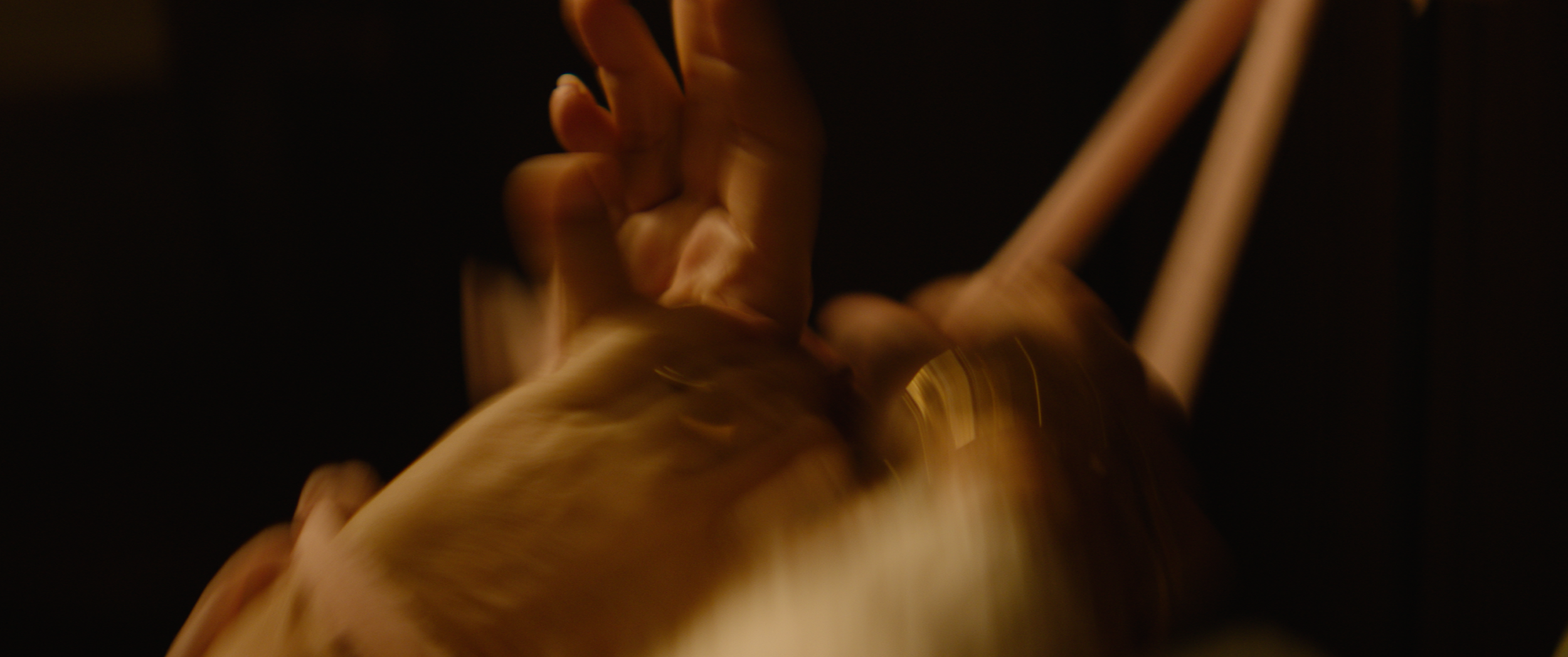
The Exorcism of Joan Vollmer (2026)
❋ Documentary Short
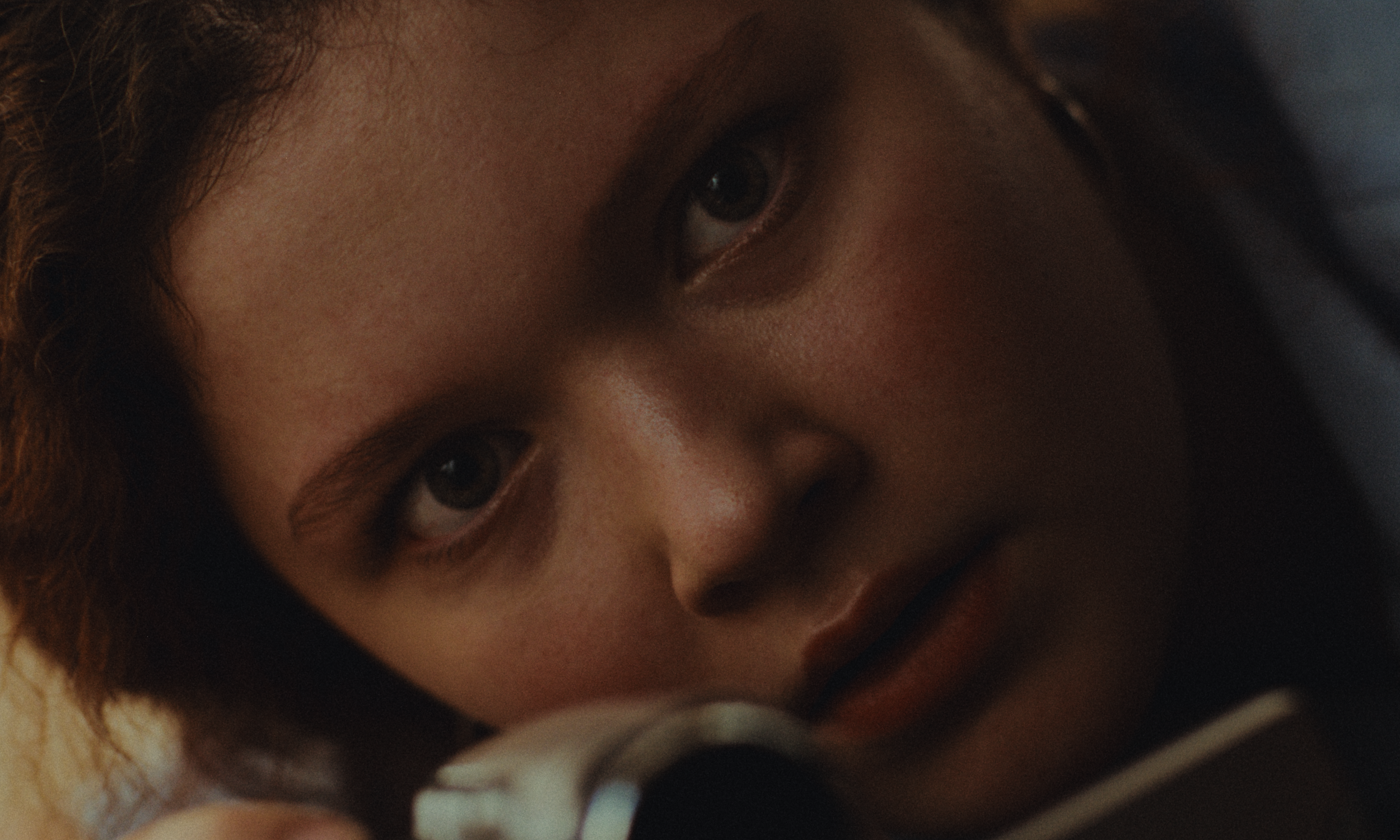

Nearness (2026)
❋ Visual Poem
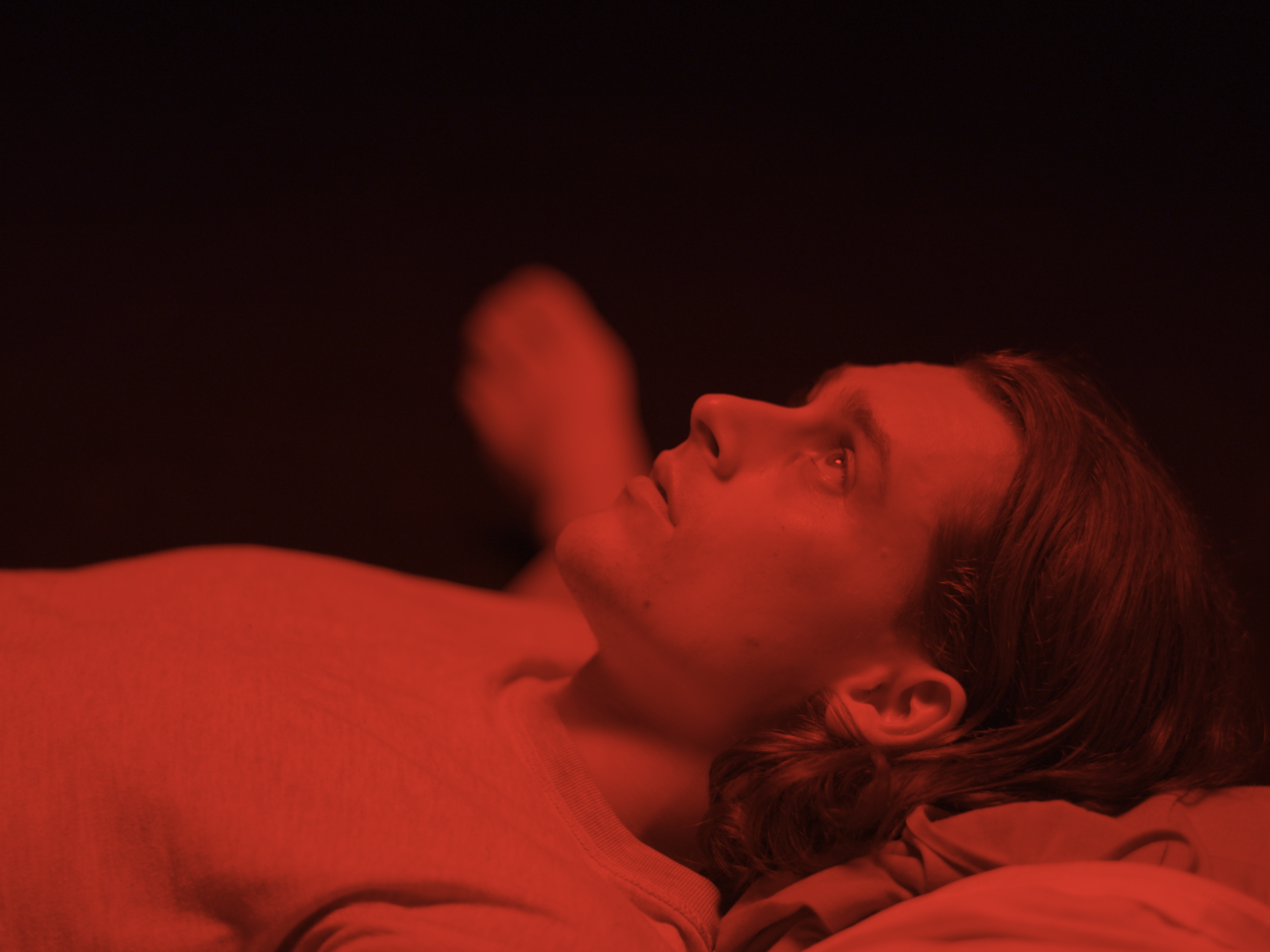
Only Kids (2026)
❋ Narrative Short
“The camera functions as a ‘carnivorous image-prosthetic device’ that merges the languages of dance and film into a ‘mediated duet with the body, wherein the camera itself dances with the dancer it records.’ ”